

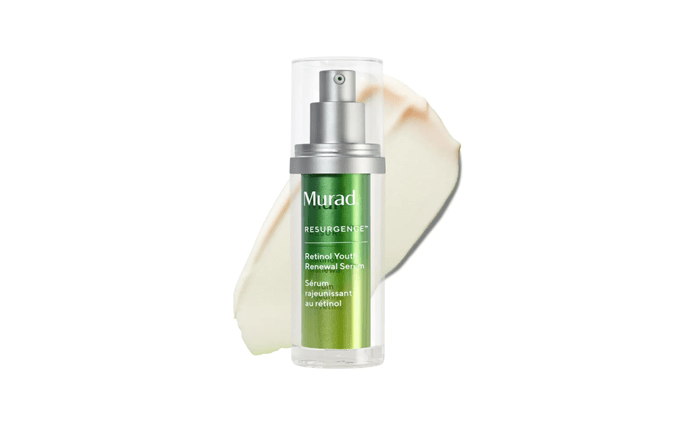
The best retinol for perimenopausal skin should suit your current skin tolerance and work alongside ingredients that support hydration and the skin barrier. For dry or sensitive skin, formulation and application frequency matter as much as retinol strength.
Perimenopause can change how skin feels and responds to active ingredients. As oestrogen levels fluctuate and decline, skin may become drier, more sensitive and less able to retain moisture. Choosing retinol with these changes in mind can help create a routine that remains comfortable and practical.
Why Perimenopausal Skin Can React Differently to Retinol
Hormonal changes during perimenopause can affect skin hydration, elasticity and barrier function.
A review published in the Journal of Cosmetic Dermatology describes declining oestrogen during menopause as contributing to reduced collagen, elasticity and moisture. These changes help explain why skin may feel drier and less resilient as hormonal ageing progresses.
Retinoids can also cause dryness, peeling and irritation during the adjustment period. DermNet NZ identifies local irritation as a recognised adverse effect of topical retinoids, particularly when excessive amounts are applied.
Previous tolerance is not always a reliable guide. Someone who comfortably used frequent exfoliation or active ingredients several years earlier may find the same routine too drying during perimenopause.
Assess your skin before introducing retinol. Persistent tightness, stinging, redness, or flaky areas suggest that simplifying the routine and addressing dryness first may make it easier to introduce retinol later.
Choosing the Best Retinol for Perimenopausal Skin
Retinol concentration is only one part of choosing a product. Delivery technology and supporting ingredients can also influence whether a formula suits dry or sensitive skin.
Look for features such as:
- Controlled retinol delivery:Encapsulated or gradual-delivery formulations are designed to release retinol in a controlled way and may be worth considering when sensitivity is a concern.
- Hyaluronic acid:This humectant attracts and retains water in the outer layers of skin.
- Ceramides:These lipids support the skin barrier and are useful when moisture loss is a concern.
- Squalane:This emollient softens dry skin and can reduce a rough or tight feeling.
- A manageable strength:Starting at an appropriate strength allows sensitive skin time to adapt.
Retinol is a vitamin A derivative commonly used to address visible concerns, including fine lines, wrinkles, uneven texture and dullness. Topical retinoids have been studied extensively for photoageing, including their effects on epidermal function and collagen.
Consider the full formulation rather than selecting a product based on retinol percentage alone. For skin already affected by dryness, ingredients that provide hydration or support the skin barrier can make the overall routine easier to manage.
Introduce Retinol at a Manageable Frequency
Dry or sensitive skin should be given time to adjust to retinol.
The American Academy of Dermatology recommends starting retinoids slowly. DermNet NZ similarly advises beginning with a minimal amount on alternate nights when irritation is a concern.
A practical starting routine is:
- Cleanse with a gentle cleanser.
- Apply the amount of retinol specified in the product directions.
- Follow with moisturiser.
- Begin with two or three evenings per week.
- Increase frequency only when the skin remains comfortable.
Nightly application is not necessary for everyone. A sustainable schedule may remain at several applications per week, depending on individual tolerance.
Applying more product is not a shortcut to faster results. Larger amounts can increase dryness and irritation. Persistent burning, marked redness, swelling or painful peeling are reasons to stop use and seek advice from a dermatologist or qualified healthcare professional.
Support Hydration and the Skin Barrier
Dry perimenopausal skin benefits from hydration being built into the routine from the beginning.
Moisturisers can combine several ingredient types with different functions. Humectants such as glycerin and hyaluronic acid attract water to the outer layers of the skin. Emollients such as squalane soften rough areas, and ceramides support the lipids within the skin barrier.
Keep the rest of the evening routine straightforward when introducing retinol. Gentle cleansing followed by retinol and moisturiser reduces the number of products the skin needs to tolerate at once.
Exfoliation also needs consideration. Alpha hydroxy acids, such as glycolic and lactic acid and beta hydroxy acids, such as salicylic acid, can contribute to irritation when combined with a new retinol routine. Introducing or assessing these products separately makes it easier to identify the cause if redness or peeling occurs.
Avoid scrubbing flaky or irritated skin. Physical exfoliation can aggravate an already uncomfortable surface. Focus on gentle cleansing and moisturising until the skin settles.
Use Broad-Spectrum SPF During the Day
Sun protection is a core part of a retinol routine.
The American Academy of Dermatology recommends applying retinoids at night and protecting skin from the sun during the day. It recommends broad-spectrum, water-resistant SPF 30 or higher as part of an anti-ageing skincare routine.
UV radiation contributes to photoageing by affecting collagen, pigmentation and skin texture. Daily sunscreen, therefore, addresses an environmental cause of several visible ageing concerns that people may also manage with retinol.
Morning skincare can remain simple for dry or sensitive skin: cleanse gently where needed, moisturise and apply broad-spectrum sunscreen. Sunscreen should be reapplied according to its directions, particularly during extended outdoor exposure.
Shade, protective clothing and limiting direct exposure during periods of high UV provide additional protection.
Adjust Retinol When Skin Tolerance Changes
Perimenopausal skin can fluctuate, so retinol frequency does not need to remain fixed.
Hormonal changes are one influence on skin comfort. Cold weather, low humidity, indoor heating, air conditioning and other skincare products can also increase dryness.
If sensitivity develops after a period of comfortable retinol use, reassess the routine before increasing strength or adding another active ingredient. Reducing application frequency may provide more recovery time.
The best retinol for perimenopausal skin is not defined by a single concentration or schedule. The more useful measure is whether the formula consistently addresses your concerns at a frequency your skin can tolerate.
People with eczema, rosacea, persistent dermatitis or known sensitivity to retinoids should seek individual advice from a dermatologist or qualified healthcare professional before starting or changing a retinoid routine.
Conclusion
Choosing retinol for dry and sensitive skin during perimenopause comes down to formulation, hydration and tolerance. Consider the retinol delivery system and supporting ingredients such as hyaluronic acid, ceramides and squalane, then introduce the product gradually.
Keep retinol evenings uncomplicated, moisturise adequately and use broad-spectrum SPF during the day. Adjust application frequency if skin becomes noticeably dry or reactive.
The best retinol for perimenopausal skin is one that addresses visible ageing concerns at a frequency your skin can comfortably maintain. A measured routine can make retinol easier to use as skin needs change during perimenopause.