


Pregnancy is a time when you pay extra attention to what you eat to ensure both your health and the health of your baby. A common question among expecting mothers is whether it is safe to consume fruits like melon during pregnancy. Melons, especially cantaloupe and watermelon, are not only refreshing but also packed with essential nutrients. However, it’s crucial to understand their benefits and potential risks before including them in your diet.
Is It Safe to Eat Melon During Pregnancy?
Melon is generally considered safe for consumption during pregnancy, but like all fruits, moderation is key. They are low in calories and contain a high amount of water, making them hydrating and nourishing. However, consuming too much melon could lead to digestive issues due to its high water content. Let’s delve deeper into why melon can be a beneficial addition to your pregnancy diet.
Nutritional Value of Melon
Melons like watermelon and cantaloupe are rich in vitamins and minerals, such as Vitamin C, Vitamin A, potassium, and magnesium. These nutrients are essential for the health of both the mother and the baby during pregnancy.
- Vitamin C: Boosts your immune system and helps with the absorption of iron, which is important to prevent anemia.
- Vitamin A: Supports the development of the baby’s vision, skin, and immune system.
- Potassium: Helps regulate blood pressure and prevents leg cramps, which are common in pregnancy.
- Magnesium: Promotes healthy nerve and muscle function and helps in maintaining a healthy pregnancy.
Benefits of Eating Melon During Pregnancy
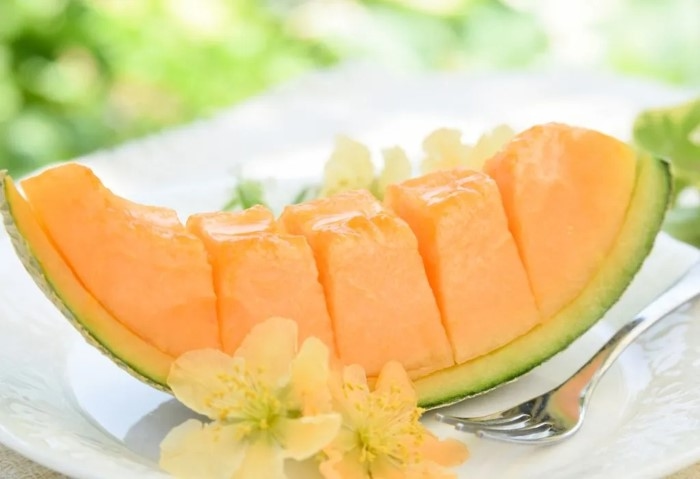
Melons offer a range of benefits for pregnant women, from hydration to providing vital nutrients. Here are some of the key advantages:
Hydration
Melons are composed mostly of water, which helps keep you hydrated during pregnancy. Proper hydration is essential for supporting the increased blood volume and amniotic fluid levels. Staying hydrated also helps prevent urinary tract infections (UTIs), a common issue during pregnancy.
Supports Digestion
Pregnant women often face digestive issues, including constipation. Melons contain fiber, which aids in digestion and promotes healthy bowel movements. Their high water content also helps soften stools and relieves constipation.
Regulates Blood Pressure
Melons are an excellent source of potassium, which helps in regulating blood pressure levels. Maintaining healthy blood pressure during pregnancy is important to reduce the risk of complications like preeclampsia.
Boosts Immune System
Vitamin C, found abundantly in melons, supports a healthy immune system. This is especially important during pregnancy when the body’s immunity can be more vulnerable to infections.
Reduces Swelling
Watermelon, in particular, is known for its ability to reduce swelling, a common issue during pregnancy. Its high water content helps flush out excess sodium from the body, which can contribute to swelling and bloating.
Potential Risks of Eating Melon During Pregnancy
While melons offer various benefits, there are also a few risks to keep in mind during pregnancy:
Risk of Foodborne Illness
Like other fruits, melons can be a breeding ground for harmful bacteria if not washed properly. Pregnant women are more susceptible to foodborne illnesses, which can lead to serious complications for both the mother and the baby. Always wash melons thoroughly before cutting them to remove any pesticides or bacteria on the surface.
Excessive Sugar Intake
Melons contain natural sugars, which can cause a spike in blood sugar levels if consumed in excess. This is especially important for women with gestational diabetes, who need to monitor their sugar intake. Eating melons in moderation and pairing them with other foods can help prevent sugar spikes.
Digestive Discomfort
Although melons are helpful in preventing constipation, eating too much of them may cause bloating or gas, especially if you have a sensitive stomach. As with any food, moderation is important to avoid digestive issues.
How Much Melon Should You Eat During Pregnancy?
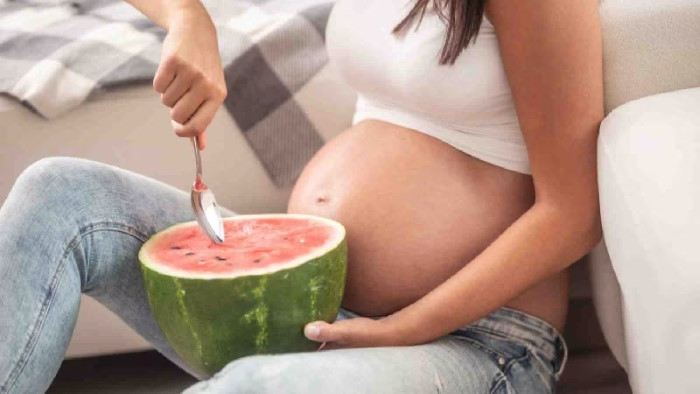
While melon is safe to eat during pregnancy, it’s important to consume it in moderation. You can enjoy a few slices of melon as a snack or incorporate it into salads and smoothies. However, avoid overconsumption, as eating too much fruit can lead to digestive discomfort or an excessive intake of sugar.
Generally, a serving size of melon during pregnancy should be around one cup, which is about the size of a small bowl. Always ensure to balance melon consumption with a varied diet to meet all your nutritional needs.
How to Safely Eat Melon During Pregnancy
To maximize the health benefits and minimize any risks associated with eating melon during pregnancy, follow these tips:
- Wash it properly: Always wash the outer skin of melons thoroughly before cutting to prevent contamination.
- Store it correctly: Keep cut melon in the fridge to avoid bacterial growth.
- Eat in moderation: Stick to small portions to avoid digestive issues or excess sugar intake.
- Pair it with protein: Pairing melon with a protein-rich food, like nuts or yogurt, can help balance the natural sugars and provide sustained energy.
FAQs About Eating Melon During Pregnancy
Can eating too much melon cause bloating during pregnancy?
Yes, eating too much melon can cause bloating due to its high water and fiber content. It’s important to consume melon in moderation to avoid digestive discomfort.
Is watermelon safe to eat during pregnancy?
Yes, watermelon is safe to eat during pregnancy. It provides hydration and nutrients like Vitamin C and potassium, which are beneficial for both the mother and the baby.
Can melons help with leg cramps during pregnancy?
Melons, especially watermelon, are rich in potassium, which can help prevent leg cramps—a common issue during pregnancy.
Are melons good for hydration during pregnancy?
Yes, melons are composed mostly of water, making them an excellent choice for staying hydrated during pregnancy.
Can melon help prevent gestational diabetes?
While melon is a healthy fruit choice, women with gestational diabetes should monitor their sugar intake. Melon can be part of a balanced diet, but it’s important to consult with your healthcare provider for personalized dietary advice.
Melon is a nutritious and hydrating fruit that can be safely included in your pregnancy diet in moderation. Its rich content of vitamins, minerals, and water helps support both your health and your baby’s development. However, always practice proper food safety and enjoy it as part of a balanced diet to avoid any potential risks.